Applications
Who is applying the gel, where on the unit it goes, whether to brush it or spray it, and what to spec for each situation.
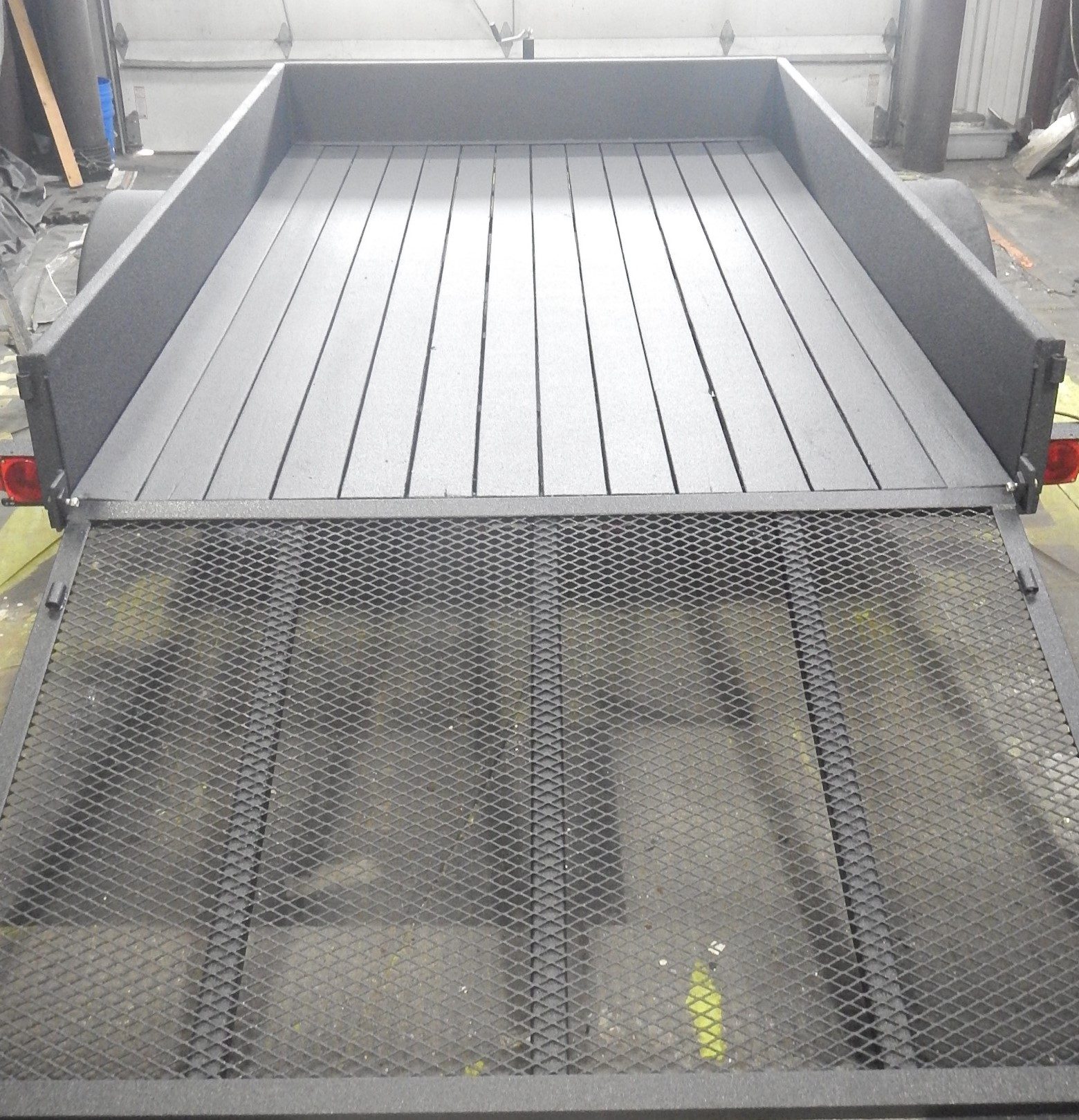
Enclosed Belly Pan Units — RVs & Fifth Wheels
An enclosed belly pan is the hardest case for every delivery format except a gel. The pan itself is a thin corrugated membrane with a cavity behind it full of insulation and plumbing, and almost every surface worth treating is overhead or vertical.
You cannot broadcast a granule onto the underside of a pan. A spray applied overhead drips off before it sets and lands on your face. A gel is the format that will hold position on that surface and stay there through a season of road spray.
Build at the pan seam and the fastener line where the pan meets the frame — that seam is the single most common entry route on this class of unit.
Spec: Repel Gel over degreased, dry substrate — full pan underside and frame rails, with deliberate additional build at the pan seam, wheel well returns, and every wiring and plumbing penetration. Request the current TDS for film build.
Open Frame Trailers & Utility Units
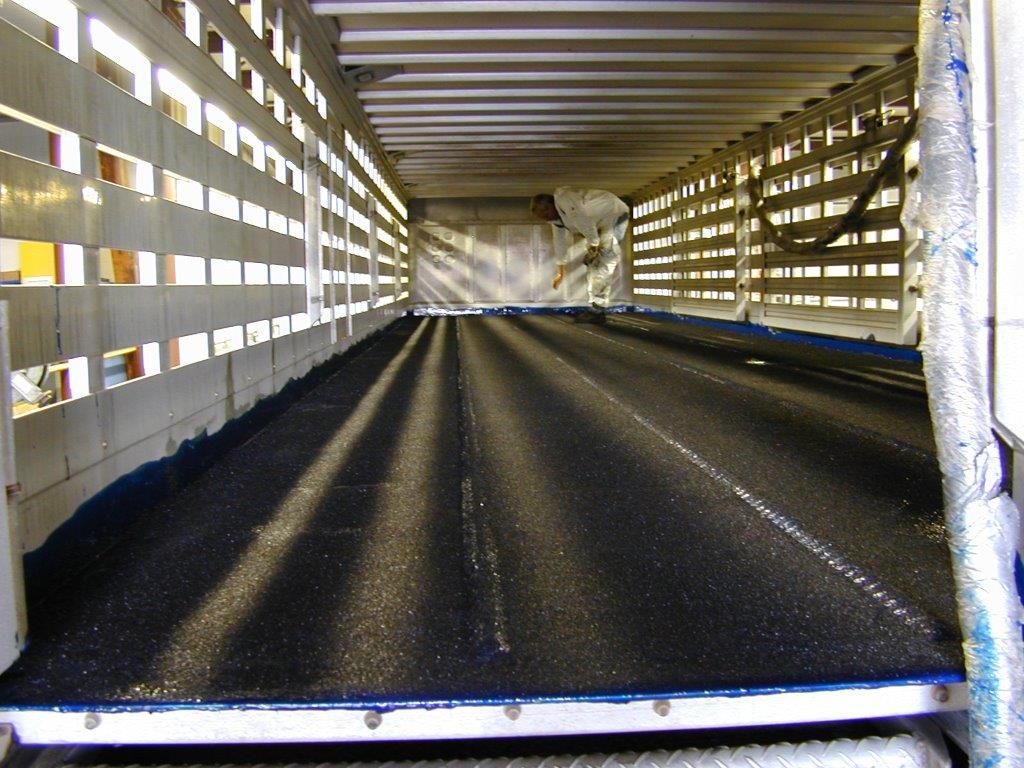
Open frame units are the opposite geometry: no pan to work under, but a lot of exposed steel and a lot of edges. Cargo trailers, utility trailers, equipment haulers, and horse trailers all fall here.
The entry points are the floor penetrations — wiring runs stapled along a crossmember, the tongue jack pass-through, the gap where a wood deck meets the frame. Enclosed cargo trailers are essentially a shed on wheels, and anything with feed residue in it is a magnet regardless of what else is on the property.
The upside is that this is also the easiest case to coat well, because you can see and reach everything.
Spec: Repel Gel on frame rails, crossmembers, tongue and A-frame, and the full perimeter where the deck meets steel. Request the current TDS for coverage per linear foot of frame.
Mobile & Manufactured Homes
A manufactured home is the enclosed-belly-pan geometry taken to its extreme. The underbelly is a membrane stretched under the floor joists with insulation behind it, effectively all of it is overhead, and the crawl space under a skirted home is dark, sheltered and never inspected.
Every format problem this site describes is worse here. You cannot broadcast a granule onto an overhead membrane. A thin liquid applied above your head drips before it sets and lands on you. And there is frequently no practical way to get a spray rig into a crawl space at all.
Which is the whole case for a gel you can brush. A crew works under a skirted home with buckets and brushes, builds deliberately at the duct trunk and the plumbing drops, and leaves a bonded coating rather than a wet film.
Spec: Repel Gel across the underbelly membrane and the steel frame beams below it, with extra build at duct and plumbing penetrations and at any previously patched section. Request the current TDS for coverage by home footprint.
Dealer PDI, Pre-Delivery Value & Lot Inventory
For a dealer, the gel format solves a workflow problem as much as a pest problem. A pouch program means somebody walks the lot and services objects on a schedule. A coating applied once at PDI is done, documented, and off the task list.
Run the labor math the way a service manager would. A bucket, a brush, a creeper and a porter — no rig to buy, no bay tied up, no certification, no consumable to reorder in mid-season. That is the difference between a program that survives the year and one that quietly stops in month five.
It pays three ways. Pre-delivery value item: applied at PDI and handed over as underbody protection already done, which is a far easier sell than most add-ons. Inventory protection: on units that will sit a season on a lot you do not want to be replacing harnesses in. Service add-on: a real line on a winterization ticket, because “we coated the underbody” is something you can put on an invoice and a customer can picture.
The cost being avoided is not the wire. It is a technician tracing an intermittent fault through a loom on a unit you have not been paid for yet — plus contaminated belly pan insulation, chewed soft goods, and the fact that it surfaces at the delivery walk-through or after handover.
Spec: Repel Gel applied at PDI or on receipt, brushed or sprayed, full underbody per unit class. Pallet-volume pricing available — send us your lot size and typical mix and we will build the per-unit cost.
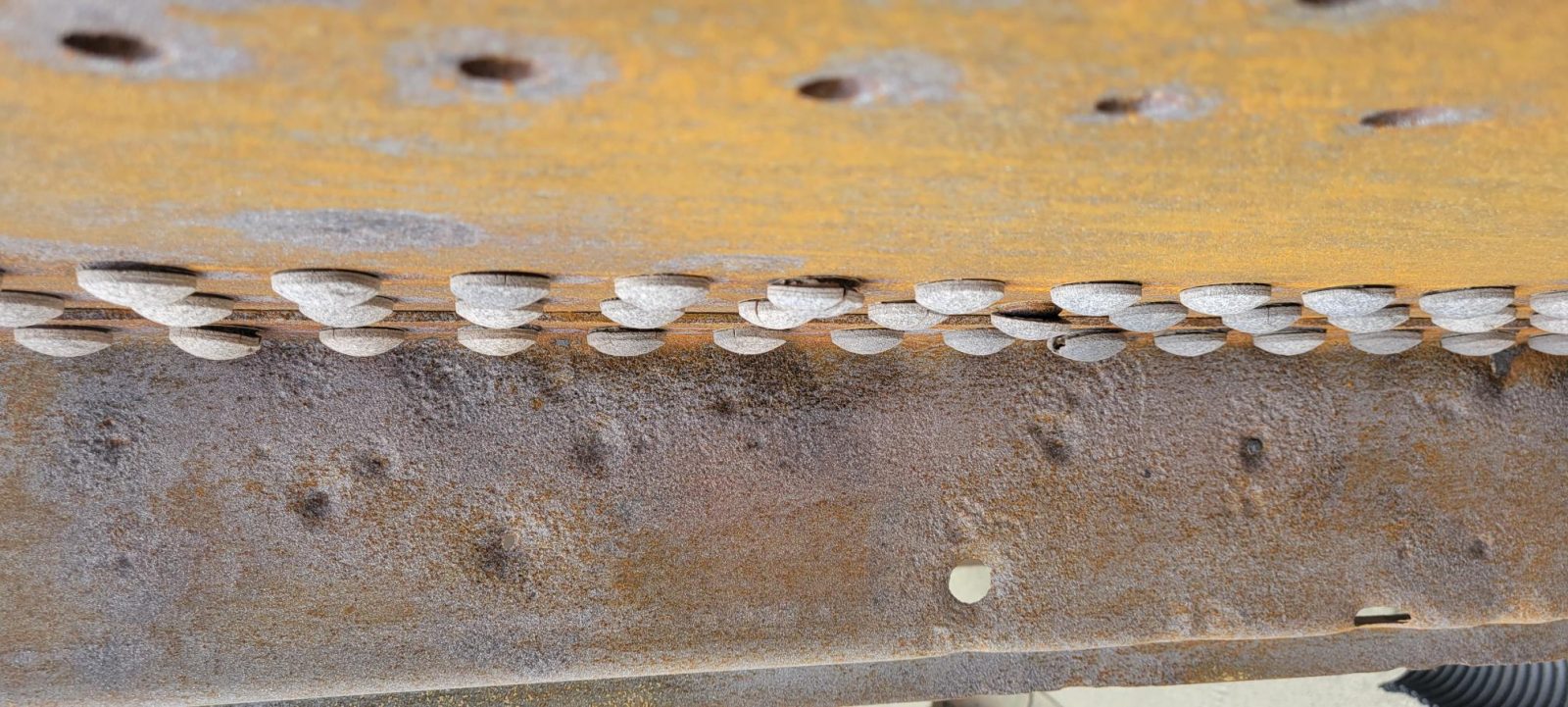
Storage Facilities & Fleet Yards
At scale, labor is the deciding factor. A hundred stored units with four bait stations each is four hundred objects to place, check, and replace — and that program degrades the moment your seasonal help leaves.
A bonded coating has no service interval measured in weeks. Apply it at intake, note the date, refresh on the storage cycle. That is a workflow a facility can actually sustain, and it converts cleanly into a priced add-on per space.
Fleet yards have the same math on the units that rotate out of daily service — the spare truck, the seasonal trailer, anything waiting on a part.
Spec: Repel Gel at intake, full underbody, logged per unit. Request the current TDS for reapplication interval so you can set the refresh schedule and price the service correctly.
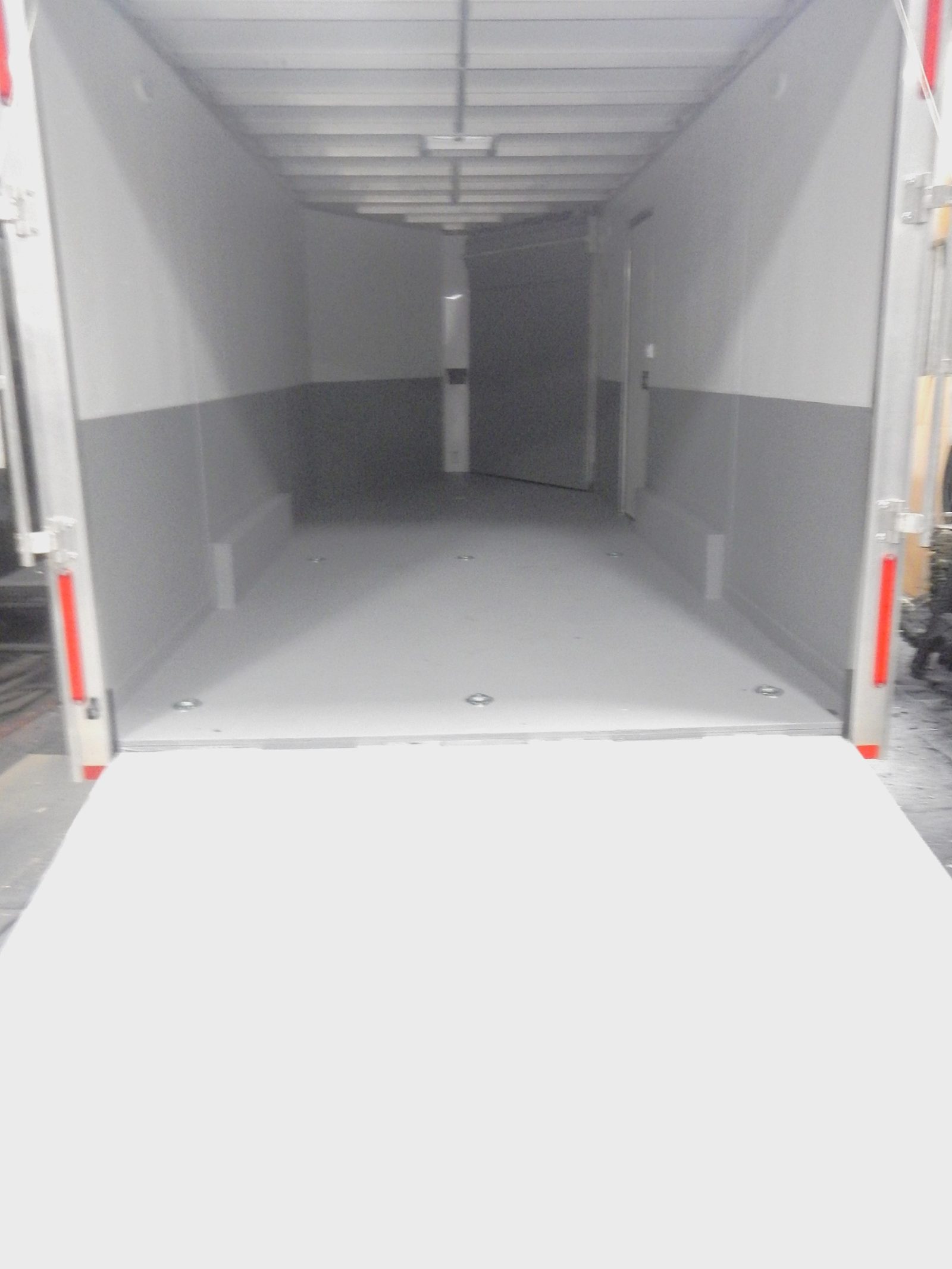
Shops, Applicators & OEM Line Application
For automotive and RV service shops, this fits into the bay time you already sell in October. It sits alongside winterization, roof inspection, and seal work — same customer, same appointment, one more line item.
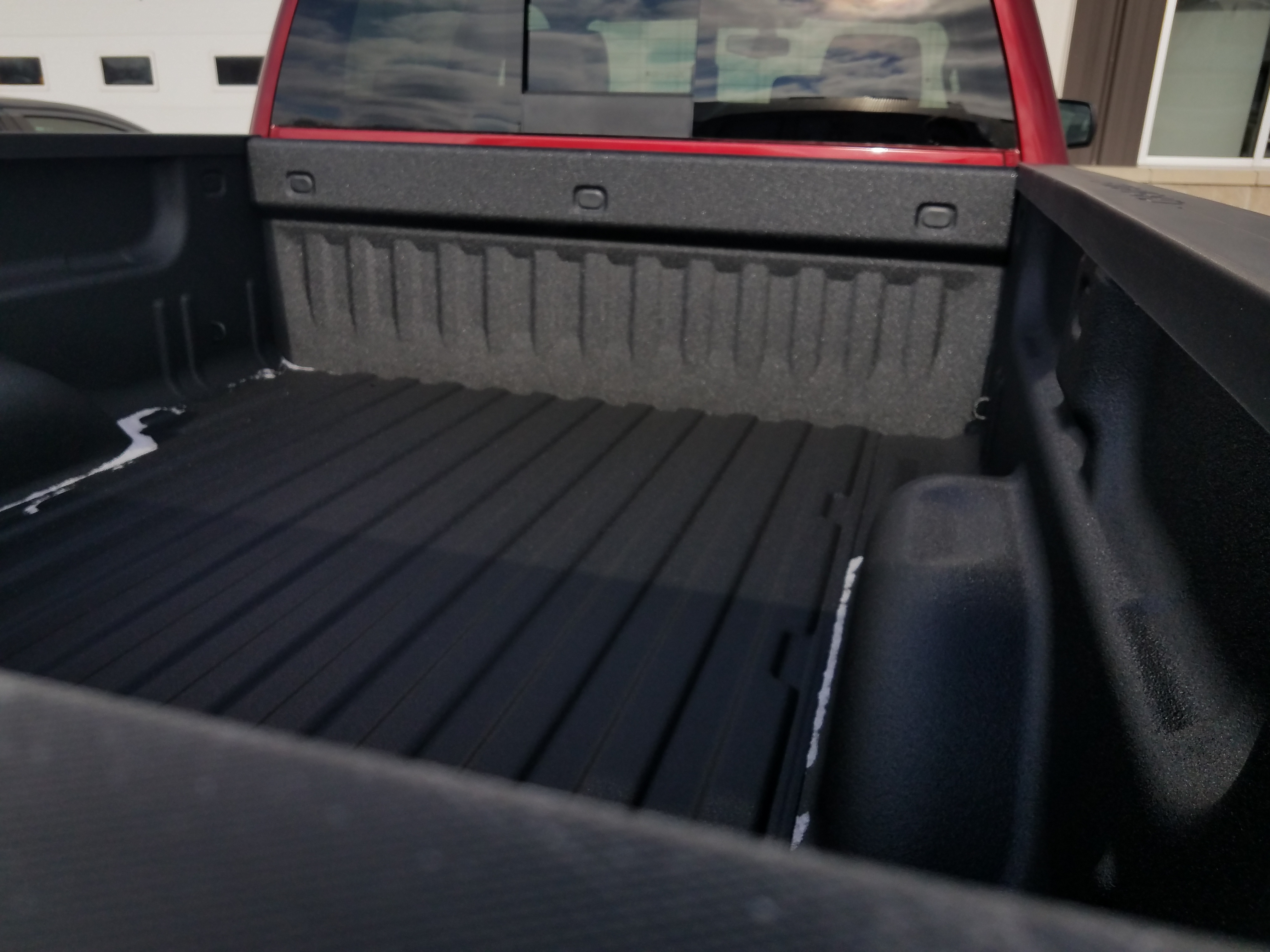
Applicators who already run underbody and bedliner work will find the prep identical to what they do now: degrease, remove loose material, mask, apply. The difference is the product, not the process.
Trailer and RV manufacturers can apply on the line and offer it as a factory option, which is by far the cheapest point in the unit's life to do it — the underbody is clean, accessible, and already on a lift.
Spec: Repel Gel over clean, dry substrate, full underbody. Volume supply and WatchGuard private-label branding available for shops and OEMs — ask for terms.
Dealer & Trade Accounts
Camper, RV, trailer and mobile home dealers, service departments, storage yards and applicator shops: send your lot size and typical unit mix. We will build a defensible per-unit cost, quote your annual volume, and send the current data sheet. Brush or spray, one bay or a whole lot — and WatchGuard private label if you want it under your own brand.
Open a Trade AccountOther Places the Gel Gets Used
- Truck campers — the section that sits on the bed rails, plus the jack pockets
- Toy haulers — ramp door seal and generator bay, both of which are deliberate holes in the envelope
- Boat trailers — units that winter in the same yard as the boat, year after year
- Collector and classic vehicles — floor pans and frames on cars stored in barns and detached garages
- Food and vending trailers — residual food scent makes these disproportionately attractive between events
- Farm and ag equipment — cab wiring on machinery parked between seasons near a grain source
- Mobile offices and jobsite trailers — parked for months at a time on the edge of a site
- Park models and seasonal cabins — skirted, set down once, and never looked under again
- Municipal and school fleets — seasonal vehicles and buses through summer layup
Working Out a Program?
If you are pricing this as a service or building it into a PDI package, we will help you get to a real per-unit number instead of a guess.
Talk Through the NumbersRequest Pricing & Current TDS
Tell us about your project and we will follow up with product details, technical data sheets, and pricing.